< img height="1" width="1" style="display:none" src="https://www.facebook.com/tr?id=1428272358705828&ev=PageView&noscript=1" />
SANHE LASER
SANHE LASER
Email Us

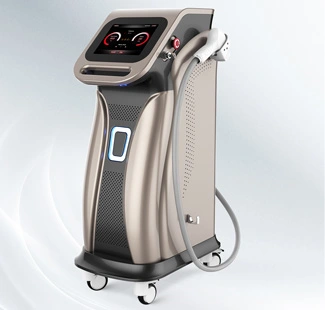
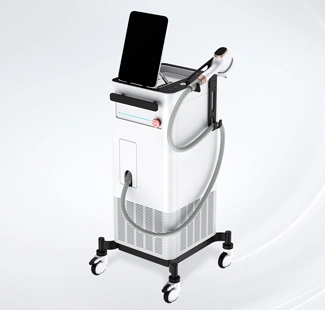
Video Of 755nm 808nm 940nm 1064nm Diode Laser Hair Removal Machine

Related SANHE LASER Equipment for Video Of 755nm 808nm 940nm 1064nm Diode Laser Hair Removal Machine
Latest Updates At SANHE LASER
May 18-2026
What's the Best Laser for Tattoo Removal?
A Professional Buyer’s Guide for Clinics & Aesthetic Businesses Tattoo removal has become one of the fastest-growing segments in the medical aesthetics industry. As more consumers seek tattoo correction, fading, or complete removal, clinics are increasingly searching for high-performance laser tattoo removal systems that deliver faster clearance, lower risk, and better patient comfort. But with so many technologies on the market — Q-switched Nd:YAG, picosecond lasers, nanosecond systems, and multi-wavelength platforms — one question remains:
What's the Best Laser for Tattoo Removal?
Apr 29-2026
How Do IPL Hair Removal Machines Work?
In today’s aesthetic and dermatology market, IPL (Intense Pulsed Light) hair removal machines have become a cornerstone technology for clinics, med spas, and beauty centers looking to offer efficient, non-invasive hair reduction treatments.
How Do IPL Hair Removal Machines Work?
Apr 23-2026
Why Some Clinics Use Fractional CO2 Before Tattoo Removal — and Why Picosecond Laser Still Leads the Business Case
Important clinical note: in modern tattoo removal, fractional CO2 is not a mandatory first step for every case. The core removal platforms are still short-pulse lasers, especially picosecond and Q-switched systems. That said, some clinics use fractional CO2 as an adjunct before or after pigment-focused laser sessions in selected cases such as resistant ink, textural irregularity, traumatic tattoos, or cases with a higher risk of blistering.
Why Some Clinics Use Fractional CO2 Before Tattoo Removal — and Why Picosecond Laser Still Leads the Business Case