Stepping into a dermatology clinic or medical spa for a laser treatment can feel a bit daunting if you do not know what lies ahead. Whether you are seeking a fresh start by erasing an old tattoo, clearing up stubborn hyperpigmentation, or smoothing out uneven skin texture, the Picosecond laser has likely come up in your research.
Wondering exactly what to expect during Picosecond sessions is completely normal. Understanding the technology, the step-by-step process, and the aftercare will help you walk into your appointment with absolute confidence. Let’s demystify the experience from start to finish.
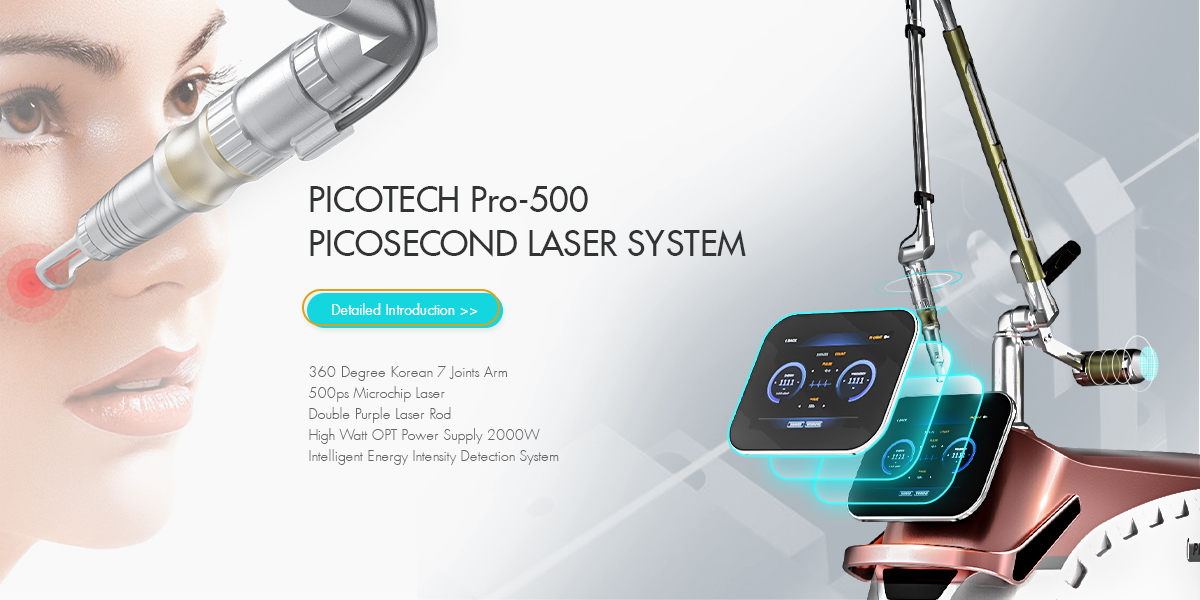
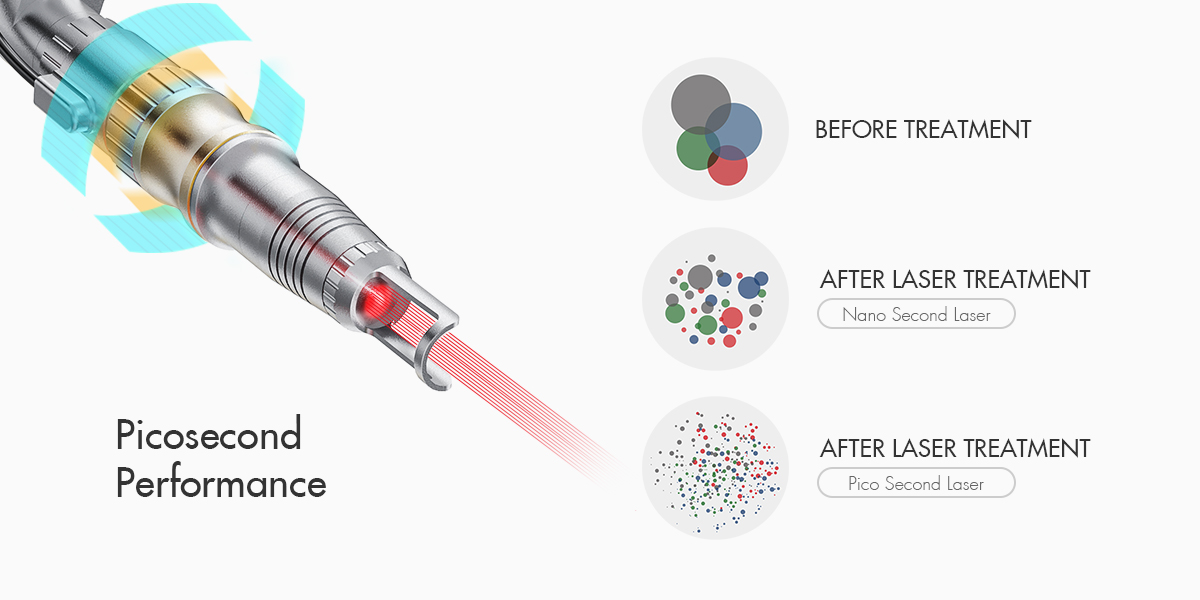
Before diving into the appointment itself, it helps to understand what makes this specific device an industry standout. When comparing Q-switched and picosecond lasers, the primary difference lies in speed and heat. Older Q-switched lasers rely heavily on photothermal (heat) energy, which can sometimes cause discomfort and risk damaging the surrounding tissue.
Picosecond, however, operates in picoseconds—trillionths of a second. This ultra-fast delivery creates a powerful photoacoustic effect on skin pigmentation and tattoo ink. Instead of melting the pigment with heat, the laser’s sound waves literally shatter the targeted particles into microscopic dust, allowing your body’s immune system to naturally flush them away.
Additionally, the system is highly versatile. Practitioners will switch between attachments, utilizing the Picosecond Zoom vs Resolve handpieces depending on your specific goals. The Zoom handpiece delivers a solid beam ideal for targeted pigment and tattoo removal, while the fractional Resolve handpiece splits the beam into tiny micro-beams, making it perfect for overall skin rejuvenation and collagen stimulation.
Your journey begins before you even sit in the laser chair. During your initial consultation, your provider will assess your skin type, medical history, and specific aesthetic goals. To ensure optimal results, you will be advised to avoid direct sun exposure, self-tanners, and photosensitizing medications for a few weeks prior to your session.
Comfort is always a top priority for practitioners. If you are worried about discomfort, you will be relieved to know that pain management during picosecond laser sessions is highly effective. Depending on the depth and intensity of your procedure, your provider will typically apply a topical numbing cream for laser skin resurfacing or tattoo removal about 30 to 45 minutes before the procedure begins. Once the area is thoroughly numbed, you are ready to begin.

Once you are comfortably prepped and wearing protective eyewear, the laser work begins. A common question from new patients is, "How long does a picosecond treatment take?" The beauty of this advanced technology is its sheer speed. Most sessions last anywhere from 10 to 30 minutes, depending entirely on the size of the treatment area.
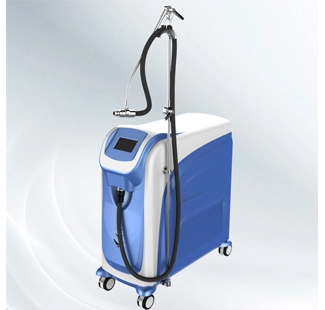
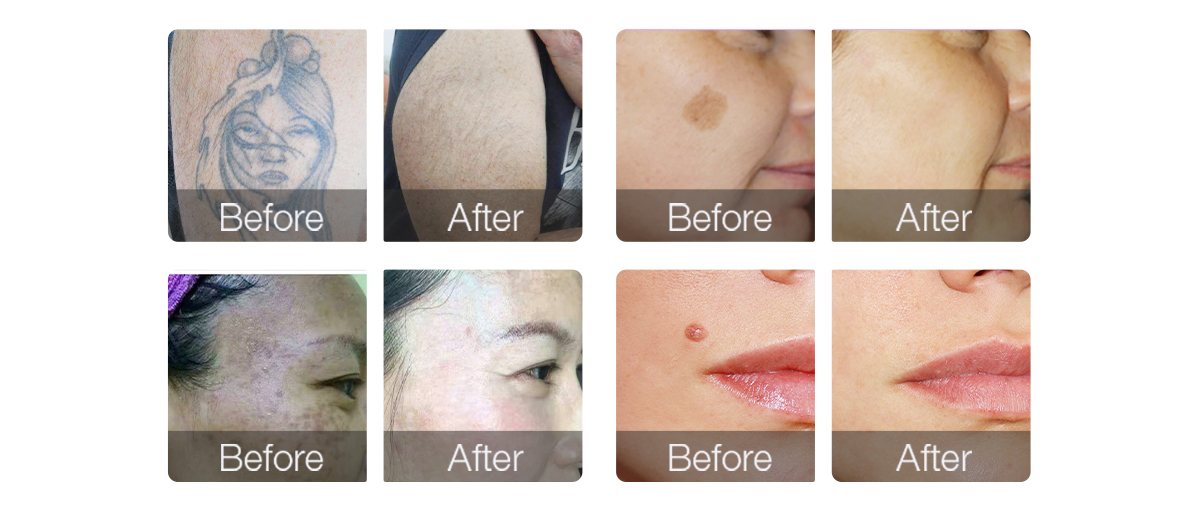
If you are undergoing the picosecond laser tattoo removal process, you will hear a rapid snapping sound. The sensation is often compared to a small rubber band repeatedly flicking against the skin. The picosecond laser tattoo removal is renowned globally due to the remarkable efficacy of PicoWay for multicolored tattoos. Whether you have stubborn blue, green, or red inks, the laser can be adjusted to specific wavelengths (such as 1064 nm, 585 nm, or 650 nm) to break them down efficiently. Standard picosecond tattoo removal feels very manageable, especially when providers use localized cooling devices that blow freezing air onto the skin simultaneously.
picosecond is not solely reserved for unwanted ink; it is a true powerhouse for comprehensive facial rejuvenation.
Using the fractional Resolve handpiece, Picosecond for acne scar reduction works by creating microscopic cavities beneath the skin’s surface without breaking the top layer. This process triggers a massive healing response, stimulating fresh collagen and elastin to smooth out pitted or rolling scars over time.
When treating complex, hormonally driven pigmentation, many patients inquire about PicoWay vs picosecond for melasma. While both are excellent picosecond devices, Picosecond's extremely short pulses and varying wavelengths make it highly effective at clearing pigment with minimal heat transfer. This drastically reduces the risk of triggering rebound melasma, which can happen when too much heat is introduced to the skin.
Historically, laser treatments posed a high risk for deeper complexions. Today, Picosecond is widely considered a premier laser treatment for dark spots on brown skin. Because its photoacoustic energy relies on sound waves rather than pure heat, it drastically minimizes the risk of post-inflammatory hyperpigmentation.
in darker skin types.
A major advantage of this ultra-fast technology is the incredibly mild PicoWay laser side effects and downtime. Unlike fully ablative lasers that require weeks of hiding indoors, PicoWay allows you to resume normal daily activities almost immediately.
Immediate Reactions: If treating a tattoo, you may see temporary "frosting" (a white, chalky appearance on the skin), followed by mild swelling. For facial rejuvenation, expect your skin to feel slightly tight and warm, similar to a mild sunburn.
Calming the Skin: Managing redness after laser skin rejuvenation is straightforward. A cool compress applied gently to the area can provide immediate relief. Facial redness typically subsides within 12 to 48 hours.
Optimizing Healing: Diligent post-treatment skincare after PicoWay is absolutely crucial to protect your investment. Wash the area with a gentle, non-foaming cleanser and apply a rich, fragrance-free moisturizer or healing ointment. Most importantly, you must be rigorous about applying broad-spectrum SPF 30 or higher. Avoid active skincare ingredients like retinols, vitamin C, or exfoliating acids until your skin has fully recovered.
Patience is a virtue when it comes to aesthetic treatments. Since the laser relies on your body’s natural immune system to clear away shattered pigment and build new collagen, results unfold gradually.
The exact number of sessions forPicosecond results varies significantly from person to person. For general skin revitalization, dark spot removal, or mild acne scarring, 3 to 5 sessions spaced three to four weeks apart usually yield a glowing, even complexion. On the other hand, fully erasing a tattoo might require 6 to 10 sessions. This timeline depends heavily on the ink density, the age of the tattoo, and how efficiently your body's lymphatic system flushes away the fragmented ink particles.
Deciding to invest in your skin or part ways with an old tattoo is an exciting step forward. By knowing exactly what to anticipate—from the numbing process to your final aftercare steps—you can approach your appointments completely stress-free. With its cutting-edge speed, advanced safety profile for diverse skin tones, and minimal downtime, the PicoWay laser stands out as one of the most efficient, transformative tools in modern aesthetic medicine.

Sales Director: Mark Ren
The Bei Jing San He Tech Co., Ltd is dedicated to driving continuous growth and innovation in the beauty machine industry. With over 12 years of experience in sales and marketing, I am well-versed in market trends and customer needs. I firmly believe that high-quality products and exceptional service are key to winning the market. I always focus on product quality and customer experience, ensuring that every customer enjoys the most advanced and effective beauty solutions.

 English
 日本語
日本語 français
 Deutsch
 Español
 italiano
 русский
 português
 العربية
 Ελλάδα
 فارسی
فارسی