Important clinical note: in modern tattoo removal, fractional CO2 is not a mandatory first step for every case. The core removal platforms are still short-pulse lasers, especially picosecond and Q-switched systems. That said, some clinics use fractional CO2 as an adjunct before or after pigment-focused laser sessions in selected cases such as resistant ink, textural irregularity, traumatic tattoos, or cases with a higher risk of blistering.
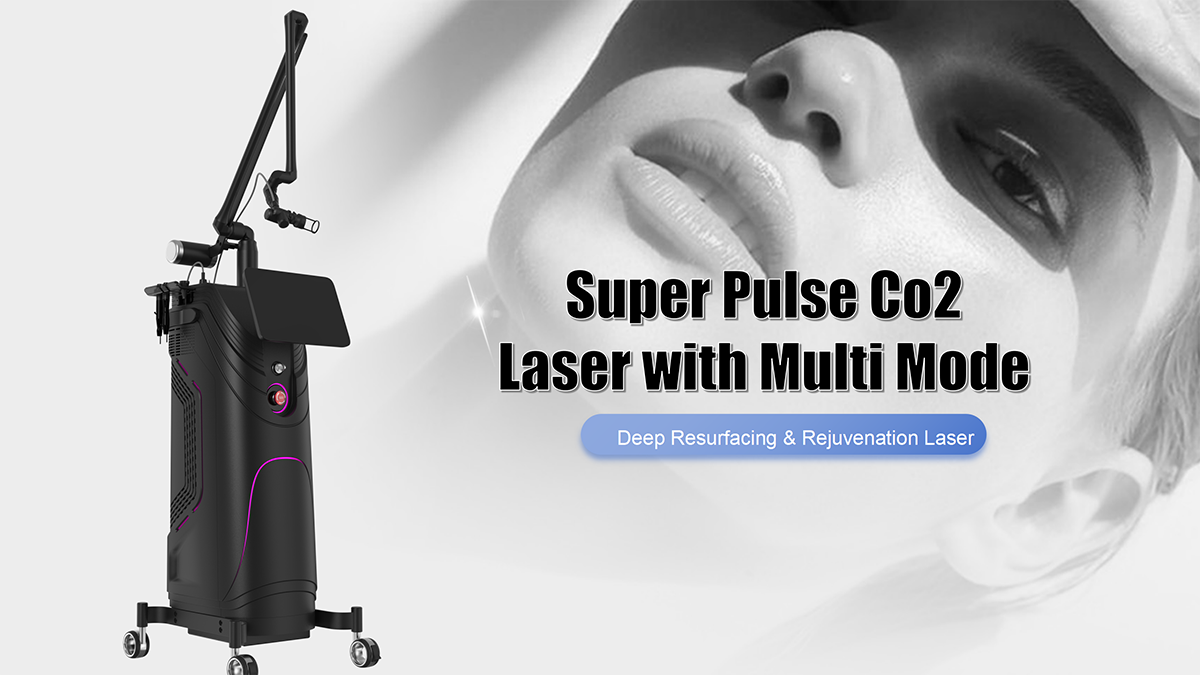
Fractional CO2 works very differently from a picosecond tattoo removal machine. A CO2 fractional laser ablates micro-columns in the skin, creates controlled thermal zones, and stimulates tissue remodeling and collagen renewal. On SANHE Laser’s CO2 platform, the stated mechanism is epidermal vaporization plus dermal thermal stimulation, with applications in scars, texture, pores, and rejuvenation. That makes CO2 useful when the tattoo problem is not only pigment, but also surface irregularity, fibrosis, or scar-related tissue change.
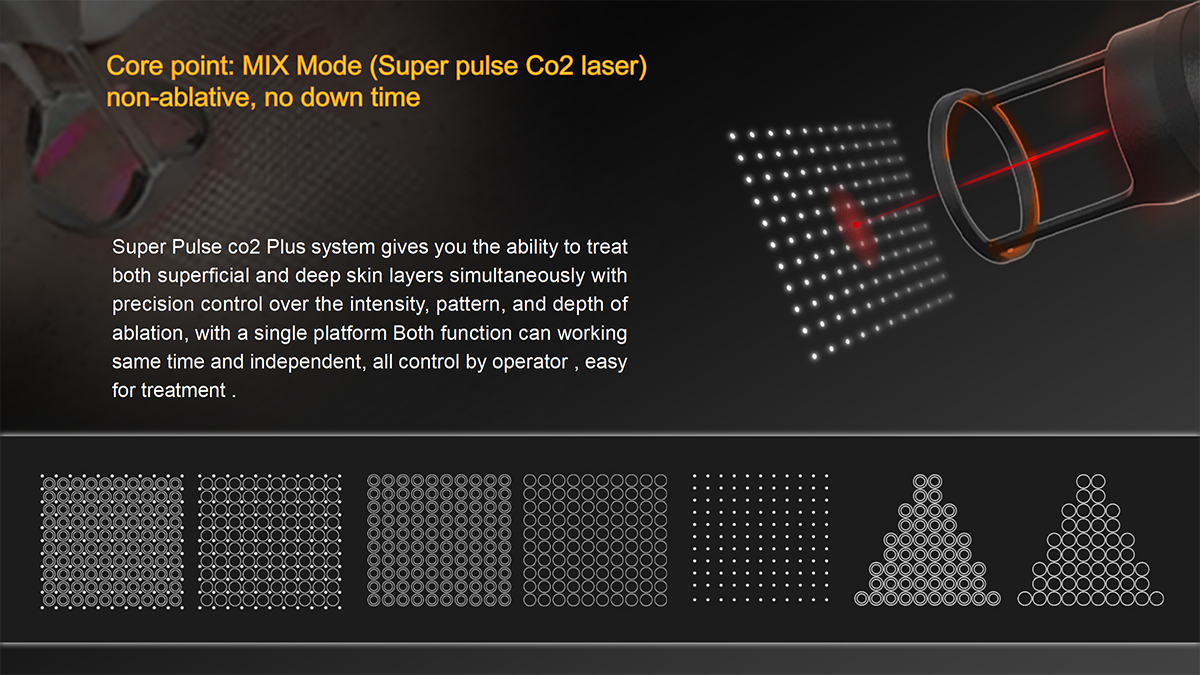
In published literature, combination approaches have shown why clinicians sometimes add fractional CO2 around tattoo removal sessions. Search-indexed study summaries report that adding fractionated CO2 to picosecond tattoo treatment was associated with less blister formation, and combination CO2 plus Q-switched Nd:YAG was reported as more effective than Q-switched Nd:YAG alone for eyebrow tattoo removal. Another study on traumatic facial tattoo removal reported higher clearance, scar improvement, and fewer complications when CO2 ablative fractional laser was added to nanosecond 1064 nm treatment.
So the most accurate industry message for Western buyers is this: fractional CO2 is a workflow enhancer, not the universal main remover of tattoo ink. If a clinic wants a broader treatment pathway for stubborn tattoos, textural repair, scar blending, and recovery management, a CO2 platform can complement a professional tattoo removal laser very well.
| Clinical scenario | Role of fractional CO2 | Main pigment-removal workhorse |
|---|---|---|
| Fibrotic, uneven, or scar-associated tattoo | Helps remodel tissue and create controlled micro-channels | Picosecond laser |
| Cases prone to blistering after tattoo laser sessions | May reduce bulla formation when used in combination protocols | Picosecond laser |
| Eyebrow or cosmetic tattoo correction | May improve clearance in combination workflows | Picosecond or Q-switched laser |
| Traumatic tattoo with embedded debris and texture change | Can support scar improvement and treatment efficiency | Short-pulse tattoo laser |
| Standard black or multicolor elective tattoo | Usually not required as the first step in every case | Picosecond laser |
This is why clinics buying tattoo removal equipment increasingly think in platform combinations rather than single-indication devices. A fractional CO2 laser beauty equipment expands treatment scope, while a picosecond laser tattoo removal machine remains the revenue-driving engine for pigment clearance.
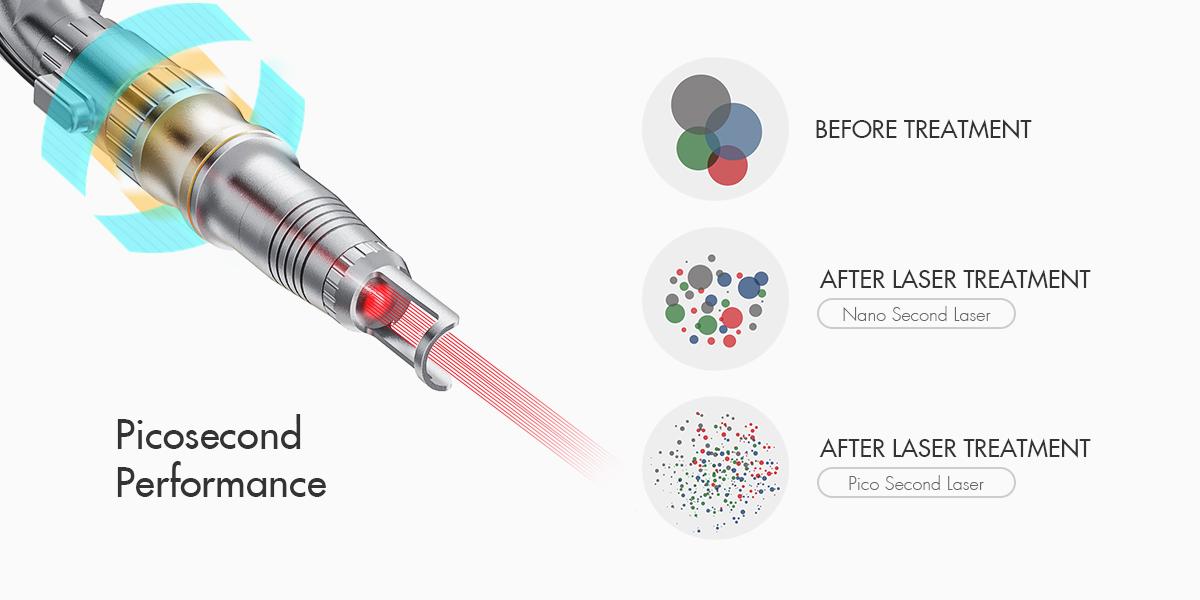
For tattoo removal, the main commercial and clinical momentum remains with picosecond technology. StatPearls notes that modern short-pulse lasers, including picosecond systems, improve efficacy and safety in tattoo removal. DermNet states that picosecond lasers can require fewer treatments, cause fewer side effects, and reduce downtime compared with nanosecond Q-switched lasers, while also helping clear some tattoos that are resistant to older systems. Picosecond systems are especially useful for difficult colors such as blue and green, depending on wavelength selection.
SANHE Laser’s own picosecond pages position the device exactly in that high-intent market: tattoo removal, pigmentation removal, and skin rejuvenation. Sanhe states that its picosecond laser shatters pigment with less heat damage, fewer sessions, less discomfort, and less downtime versus traditional nanosecond platforms, while also supporting multicolor tattoo work.
.jpg "laser tattoo removal machine")
For Western procurement teams, the strongest SANHE Laser story is not “more wavelengths than every premium brand.” It is better B2B practicality: manufacturer-level sourcing, OEM/ODM flexibility, core tattoo wavelengths, global export experience, and specs that are clear enough for distributor or clinic evaluation. SANHE Laser says it sells worldwide, including the USA, UK, Australia, Spain, Korea, Japan, India, and Dubai, and lists 40 export countries, 300+ distributors, 100+ certificates, and OEM/ODM services on its site.
On the SANHE Laser picosecond tattoo removal machine page, the published specifications include 1064 nm and 532 nm wavelengths, 500 ps pulse duration, 2–10 mm spot size, 1–10 Hz frequency, 1064 nm peak power up to 1.2 GW, 532 nm peak power up to 0.6 GW, dual-voltage compatibility, a 360° Korean 7-joint arm, a 2000 W power supply, and an intelligent energy intensity detection system. For a buyer searching terms like picosecond laser tattoo removal machine, tattoo removal machine for sale, or professional tattoo removal laser, those are strong commercial checkpoints.
| Platform | Publicly visible strengths | What that means for a buyer |
|---|---|---|
| SANHE Laser Picosecond Laser Machine | 1064/532 nm, 500 ps, 2–10 mm spot, 1–10 Hz, 7-joint arm, 2000 W supply, intelligent energy detection, OEM/ODM, global export footprint | Strong for distributors, OEM buyers, and clinics that want a practical tattoo + pigmentation platform with accessible sourcing and factory support. |
| Cynosure PicoSure Pro | 755 nm platform, optional 532/1064 for tattoo capability, “Turbo mode” for hard-to-treat tattoos, additional premium handpiece ecosystem | Premium brand positioning and broader branded ecosystem, but typically a different procurement model than direct manufacturer sourcing. |
| Candela PicoWay | Four picosecond wavelengths, broad tattoo-color coverage, multiple beam delivery options, broad regulatory positioning | Very versatile premium platform, especially for clinics prioritizing wavelength range and brand-led clinical positioning. |
| Quanta Discovery PICO | Up to 3 wavelengths, 370–450 ps range, high peak power up to 1.8 GW, multiple emission modes | High-end versatility for advanced operators, especially where broader wavelength menus are a priority. |
SANHE Laser’s advantage is best framed around procurement logic:
Core tattoo wavelengths that matter most
1064 nm and 532 nm cover a large share of everyday tattoo and pigmentation work.
Factory-friendly B2B model
SANHE Laser publicly positions itself as a manufacturer/supplier with OEM/ODM capability, which is highly relevant for distributors, private-label buyers, and importers.
Multi-indication ROI
SANHE Laser markets the pico platform for tattoo removal, pigmentation removal, and rejuvenation, helping clinics monetize beyond one single treatment category.
Operational practicality
The published 110V/220V compatibility, articulated arm, and energy-detection system all support international deployment and day-to-day usability.
Better pairing story with fractional CO2
Because SANHE Laser also offers a fractional CO2 platform with scar, resurfacing, and collagen-stimulation applications, the brand can support a more complete tattoo-removal workflow narrative for clinics that want both pigment clearance and textural repair.
In the EU and US market, buyers are usually not purchasing only a machine; they are purchasing a business model. The winning story is:
a picosecond laser tattoo removal machine for faster, lower-downtime pigment work,
a fractional CO2 laser for scar, resurfacing, and adjunct recovery strategy,
and a supplier that can support OEM/ODM, distributor growth, and multi-treatment ROI.
That positioning is more persuasive than saying “everyone should use CO2 first.” A more credible statement for Western customers is: “For selected difficult tattoos, fractional CO2 can improve the treatment pathway, but picosecond laser remains the core platform for efficient ink clearance.”
No. It is better described as a selective adjunct. The main tattoo-removal engines are still picosecond and Q-switched lasers, with CO2 added in selected resistant, scarred, or blister-prone cases.
Because picosecond technology is associated with efficient pigment fragmentation, fewer side effects, and reduced downtime, which directly supports treatment demand and clinic profitability.
For many B2B buyers, it is the combination of 500 ps pulse duration, 1064/532 nm wavelengths, articulated arm design, published technical specs, and OEM/ODM manufacturer support.
Not on every dimension. Some premium brands publicly offer broader wavelength menus or larger branded ecosystems. SANHE Laser’s strongest edge is commercial accessibility, sourcing flexibility, and practical distributor value.
Sell the workflow, not only the device:
Picosecond for ink. Fractional CO2 for texture, scar support, and selected adjunct protocols. That message is more professional and more credible for Western decision-maker

Sales Director: Mark Ren
The Bei Jing San He Tech Co., Ltd is dedicated to driving continuous growth and innovation in the beauty machine industry. With over 12 years of experience in sales and marketing, I am well-versed in market trends and customer needs. I firmly believe that high-quality products and exceptional service are key to winning the market. I always focus on product quality and customer experience, ensuring that every customer enjoys the most advanced and effective beauty solutions.


 English
 日本語
日本語 français
 Deutsch
 Español
 italiano
 русский
 português
 العربية
 Ελλάδα
 فارسی
فارسی