High-Intensity Focused Ultrasound (HIFU) has become one of the most in-demand non-invasive technologies in the aesthetic industry. For clinics, salons, and distributors, understanding how HIFU machines work — and what separates professional-grade systems from basic alternatives — is essential for making profitable purchasing decisions.
This article provides a comprehensive overview of HIFU technology, its clinical applications, the different machine configurations available, and the key factors B2B buyers should evaluate before investing.
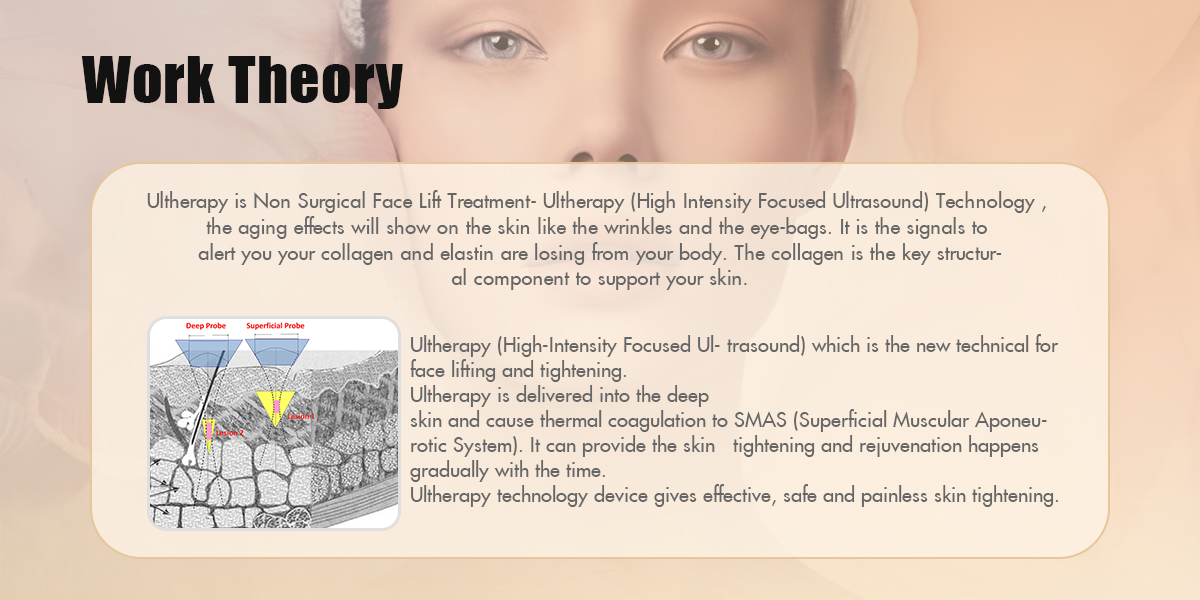
HIFU uses focused ultrasound energy to target specific depths beneath the skin surface without damaging the outer epidermis. The ultrasound waves converge at a focal point, generating controlled thermal energy (60–70°C) that triggers two primary biological responses:
Collagen neogenesis — the heat stimulates fibroblasts to produce new collagen, which gradually tightens and lifts the skin over 2–3 months
SMAS layer contraction — the thermal effect causes immediate contraction of the Superficial Muscular Aponeurotic System, the same tissue layer addressed in surgical facelifts
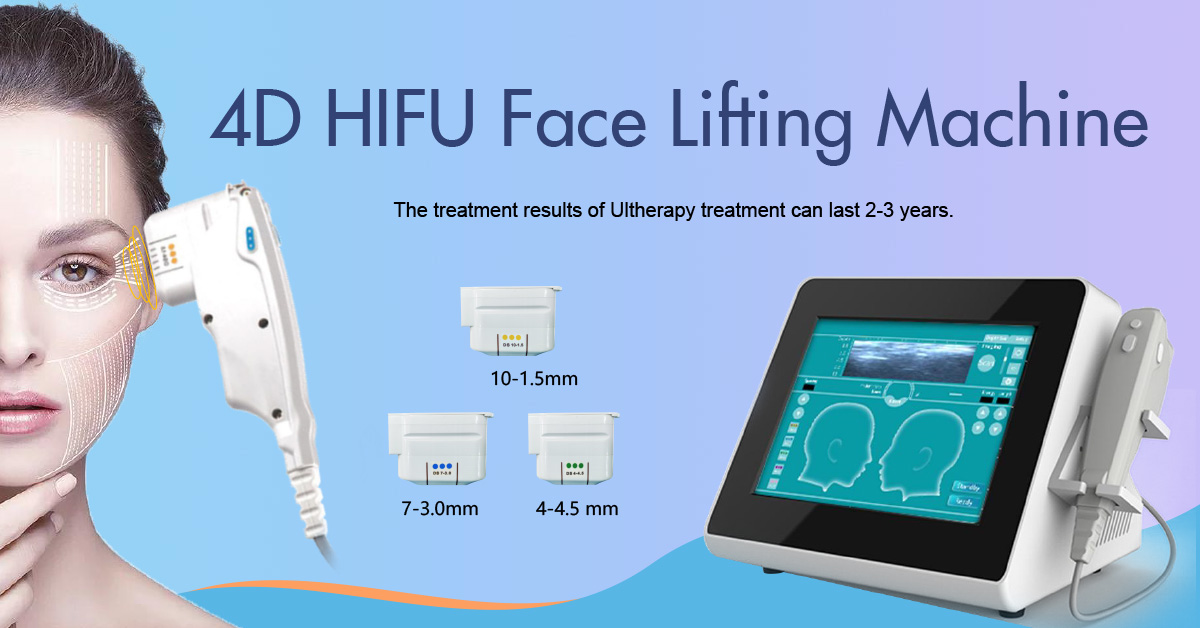
Unlike lasers or RF devices that work from the surface inward, HIFU bypasses the skin surface entirely and delivers energy precisely to depths of 1.5mm, 3.0mm, and 4.5mm. This makes it uniquely effective for lifting and tightening without downtime, redness, or surface injury.
For a deeper explanation of clinical benefits, read our article on what is HIFU good for.
Modern HIFU machines treat far more than the jawline. Professional systems offer multiple cartridges or handpieces that target different depths and body areas:
Brow lifting — raising the eyebrow arch and reducing hooded eyelids
Jawline definition — tightening loose skin along the jaw and reducing jowls
Neck and décolletage — addressing horizontal neck lines and crepiness
Nasolabial fold reduction — softening deep lines from nose to mouth
Overall skin tightening — improving elasticity and firmness across the face
Abdominal tightening — post-pregnancy or weight-loss skin laxity
Arm contouring — reducing "bingo wing" sagging
Thigh and knee lifting — addressing loose skin on the lower body
Localized fat reduction — some advanced systems combine fat-melting with skin tightening
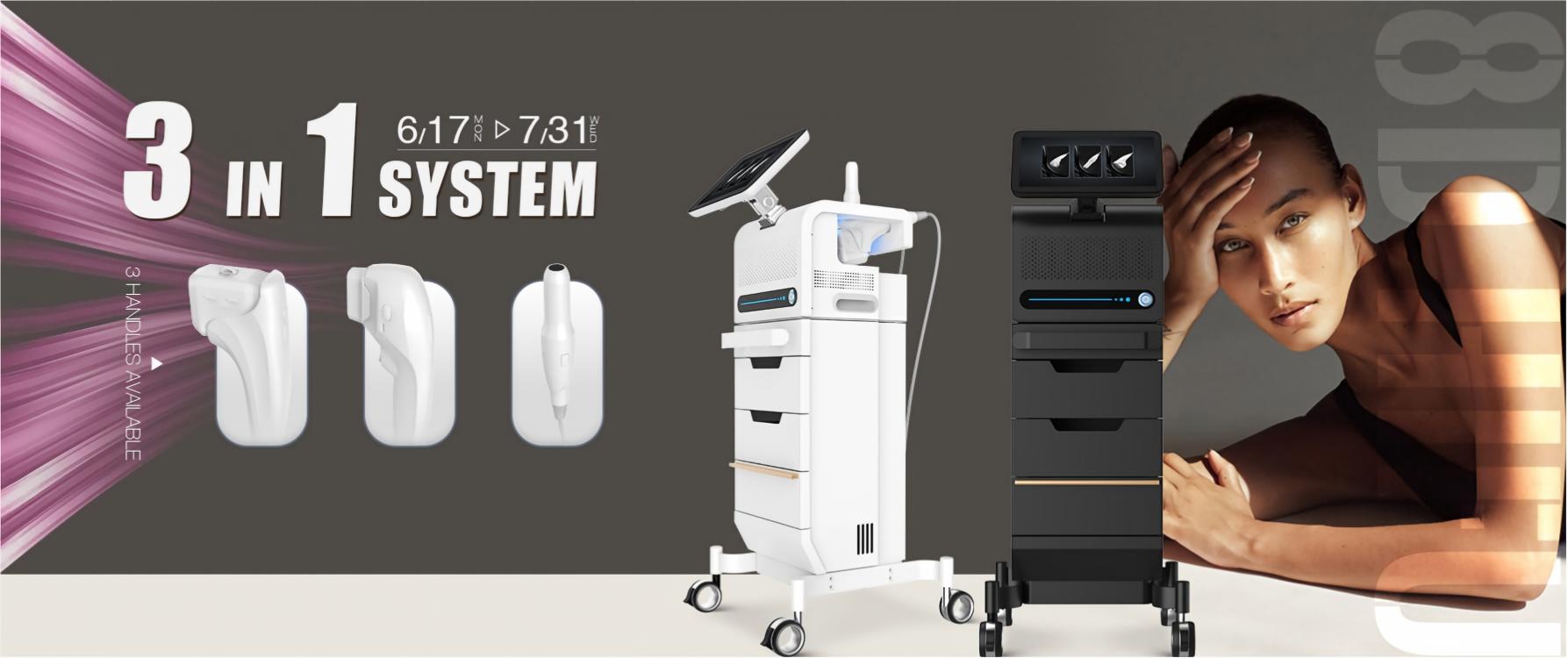
Clinics that offer both facial and body HIFU treatments can maximize revenue per client and differentiate themselves from competitors who only provide facial services. Our 3D HIFU machine and 8D HIFU system support both facial and body protocols with multiple depth cartridges.
The aesthetic equipment industry uses terms like "3D HIFU" and "8D HIFU" to describe advances in how ultrasound energy is delivered. B2B buyers should understand what these terms actually mean:
Early HIFU machines delivered energy in a single linear line. Effective, but slower, and with more treatment discomfort due to concentrated energy at each point.
3D HIFU systems deliver energy in multiple lines or a matrix pattern within a single shot. This creates a wider treatment zone per pulse, reducing session time and distributing energy more evenly. For clinics, this means:
Faster treatments (30–45 minutes for a full face)
More comfortable client experience
Consistent results across the treatment area
Learn more about clinical outcomes in our article on achieving age-defying results with 3D HIFU face treatment machines.
8D HIFU represents the next generation, typically featuring:
Even greater shot density and coverage per pulse
Multiple cartridges (often 8 or more) for face, body, and precision areas
Advanced cooling systems to minimize discomfort
More precise depth control for customized treatments
For buyers evaluating which generation fits their business, our guide on the best HIFU machine for clinics and salons in 2026 breaks down the selection criteria in detail.
When comparing HIFU machines for professional use, these specifications directly impact treatment quality and business efficiency:
Professional HIFU systems should include cartridges at multiple depths:
1.5mm — targets the superficial dermis for fine lines and texture improvement
3.0mm — reaches the deep dermis for collagen stimulation and moderate tightening
4.5mm — penetrates to the SMAS layer for lifting and structural tightening
6.0mm, 9.0mm, 13.0mm — body cartridges for fat layer targeting and deeper tissue tightening
Each HIFU cartridge has a limited number of shots (typically 10,000–30,000). For high-volume clinics, cartridge cost and availability are significant operational factors. Ask suppliers:
How many shots per cartridge?
What is the replacement cartridge price?
How long do cartridges take to deliver?
Consistent energy output across the entire cartridge lifespan is critical. Low-quality machines may deliver strong energy for the first 5,000 shots but weaken significantly afterward. Professional manufacturers test and guarantee stable output throughout cartridge life.
A well-designed interface reduces training time and treatment errors. Look for:
Pre-set treatment protocols for different face and body areas
Adjustable energy levels for different client tolerances
Clear shot counters and cartridge life indicators
Multi-language support if you operate in diverse markets
HIFU is not the only non-invasive tightening technology. Understanding how it compares helps clinics position it correctly and recommend the right treatment to each client.
| Technology | Depth | Best For | Downtime |
|---|---|---|---|
| HIFU | 1.5mm–4.5mm (SMAS) | Skin lifting, jawline definition | None |
| RF Microneedling | 0.5mm–3.5mm | Texture, scars, pores, mild tightening | 24–48 hours |
| Fractional CO2 Laser | Surface to deep dermis | Deep resurfacing, scars, wrinkles | 5–7 days |
| EMS Sculpting | Muscle layer | Muscle building, fat reduction | None |
Smart clinics offer HIFU as part of a combination protocol. For example:
HIFU for lifting + RF microneedling for texture and pore reduction
HIFU for facial tightening + EMS sculpting for body contouring
HIFU + fractional CO2 laser for comprehensive facial rejuvenation
Combination packages increase average revenue per client and improve overall satisfaction by addressing multiple concerns in one treatment plan.
Setting realistic expectations protects your clinic's reputation and reduces complaints.
Clients aged 30–65 with mild to moderate skin laxity
Those seeking preventative tightening rather than dramatic surgical results
Clients who cannot or do not want surgery
Individuals with good skin elasticity who will respond well to collagen stimulation
Immediate: Some SMAS contraction creates a mild instant lift
4–6 weeks: Early collagen production begins; subtle firming visible
2–3 months: Peak collagen remodeling; most visible improvement
6–12 months: Results maintained; some clients benefit from a touch-up session
Open wounds or active skin infections in the treatment area
Severe acne or cystic breakouts
Metal implants or pacemakers in the treatment zone
Pregnancy or breastfeeding
Recent facial fillers or threads (typically wait 3–6 months)
For B2B buyers, regulatory compliance is non-negotiable. HIFU machines used in clinical or salon environments must meet international safety and performance standards:
CE Medical certification — required for European markets and accepted in many other regions
FDA clearance — essential for U.S. market entry; not all HIFU systems have this
ISO 13485 — demonstrates that the manufacturer operates a quality management system for medical devices
Always request certificate numbers and verify them independently. Professional manufacturers share this documentation openly. If a supplier is reluctant, that is a serious warning sign.
HIFU is a technician-dependent treatment. Even the best machine produces poor results if the operator lacks proper training. Before purchasing, evaluate the supplier's training and support offering:
Do they provide detailed treatment protocols for face and body?
Is hands-on or video training included?
Can they support you with marketing materials and client consultation guides?
What is their technical response time for operational questions?
For distributors planning to resell, ask whether the supplier can train your local technicians so you can support your own clients directly.
From a business perspective, HIFU is one of the most profitable non-invasive treatments to add to a clinic menu:
High ticket price — full-face HIFU treatments typically command $500–$2,000 per session depending on the market
Low consumable cost — after the initial machine investment, cartridge costs per treatment are relatively low
No downtime means high throughput — clients can return to work immediately, so clinics can schedule multiple sessions per day
Repeat business — annual maintenance sessions create recurring revenue
Cross-selling opportunity — HIFU clients often purchase complementary treatments (skincare, injectables, body contouring)
A single professional HIFU machine can pay for itself within months in a busy clinic environment.
Not every clinic needs the most advanced system. Match the machine to your client base and business goals:
Small salons or mobile therapists — a 3D HIFU machine with essential face cartridges offers excellent value and portability
Medium clinics with diverse menus — an 8D HIFU system with full face and body cartridges supports broader service offerings
High-volume medical spas or chains — consider machines with the highest shot capacity, fastest treatment protocols, and multi-language support for international staffing
Also consider whether your business model includes:
OEM/ODM branding — if you plan to distribute under your own label, choose a manufacturer with proven OEM/ODM service experience
Combination platforms — some clinics prefer machines that combine HIFU with RF or other modalities in one device
The demand for non-surgical facial lifting continues to grow globally. Clients want results without scalpels, anesthesia, or recovery time. HIFU meets this demand with proven technology, visible outcomes, and strong business economics.
For B2B buyers, the key is choosing a machine that balances clinical performance, operational efficiency, and supplier reliability. Do not evaluate on price alone — consider cartridge costs, training quality, certification validity, and long-term technical support.
If you are evaluating HIFU machines for your clinic, salon, or distribution network, SANHE LASER offers 3D and 8D systems with full certification packages, training support, and OEM/ODM customization. With 18+ years of manufacturing experience and supply to over 100 countries, we provide the product quality and partnership reliability that professional businesses require.
Contact us today to discuss specifications, pricing, certification documentation, and partnership models tailored to your market.
Sales Director: Mark Ren
The Bei Jing San He Tech Co., Ltd is dedicated to driving continuous growth and innovation in the beauty machine industry. With over 12 years of experience in sales and marketing, I am well-versed in market trends and customer needs. I firmly believe that high-quality products and exceptional service are key to winning the market. I always focus on product quality and customer experience, ensuring that every customer enjoys the most advanced and effective beauty solutions.

 English
 日本語
日本語 français
 Deutsch
 Español
 italiano
 русский
 português
 العربية
 Ελλάδα
 فارسی
فارسی