A body roller beauty machine sits at the intersection of non-invasive body contouring, cellulite care, and skin appearance improvement. For aesthetic clinics and med spas, it can be an attractive service line because it addresses common patient concerns without surgery, while giving providers a treatment that can be bundled into multi-session programs. That commercial appeal matters because cellulite and uneven skin texture are extremely common: reviews in the medical literature estimate cellulite affects roughly 80% to 90% of post-pubertal women, with some sources placing it even higher.
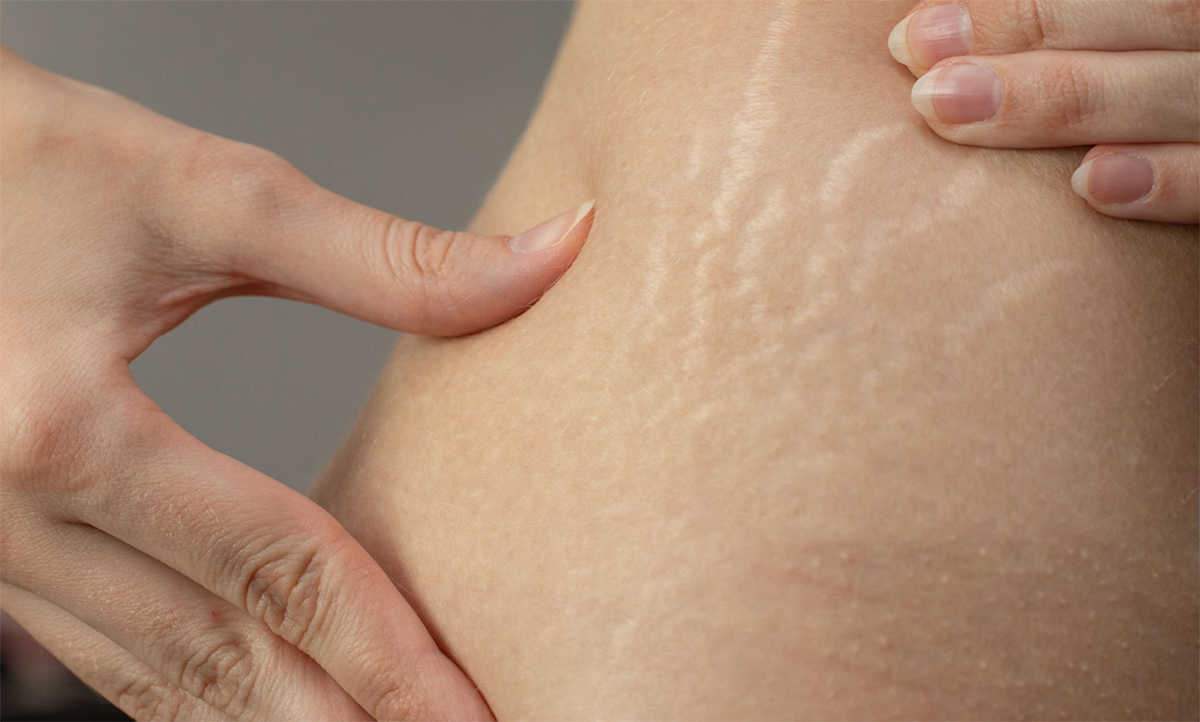
From a buyer’s perspective, though, the important question is not whether demand exists. It is whether a body roller beauty machine delivers a treatment model that is credible, repeatable, and commercially practical. On SANHE Laser product page, the device category is positioned around a combination of infrared light, bipolar radiofrequency, and vacuum-assisted mechanical tissue manipulation for cellulite, skin laxity, and contour-focused treatments. That general positioning is consistent with how professional dermatology sources describe noninvasive cellulite devices that combine massage or vacuum with energy-based modalities.
For buyer , the strongest angle is not to promise dramatic transformation. It is to explain what a body roller beauty machine can realistically do: help clinics offer a non-surgical treatment aimed at smoother-looking skin, temporary circumference improvement in selected cases, and a broader body-contouring menu that can be paired with lifestyle coaching or other aesthetic services. The U.S. FDA notes that procedures using radiofrequency energy can temporarily improve the appearance of cellulite or reduce circumference in the treated area, which is exactly the kind of expectation-setting serious buyers want to see.
A body roller beauty machine is a professional aesthetic device designed to improve the visible appearance of the skin and body contours through a combination of mechanical and energy-based actions. Depending on the model, that may include rolling or micro-vibration, suction or vacuum, infrared assistance, and radiofrequency-based heating. The goal is not surgical fat removal. The goal is to improve texture, firmness, and contour presentation in areas where patients commonly notice dimpling, laxity, or stubborn unevenness.
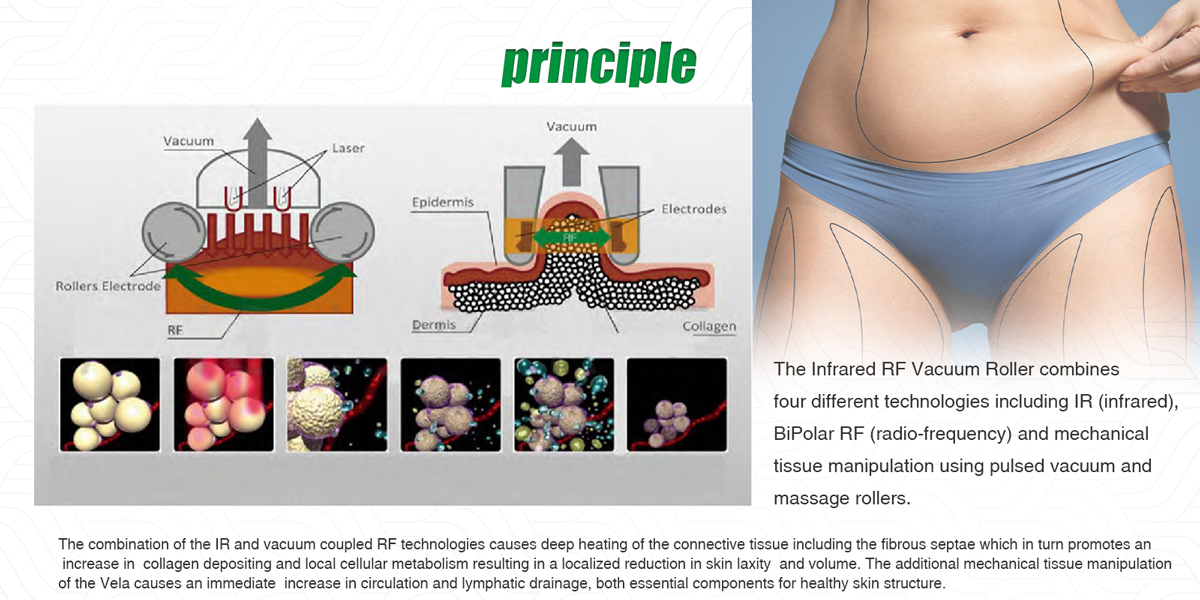
On the manufacturer side, SANHE Laser describes the category as using infrared light, bipolar RF, and vacuum-assisted tissue manipulation. Professional dermatology guidance describes similar mechanisms in broader market terms:
Massage and/or vacuum suction may help improve lymphatic drainage and stretch tissue.
Radiofrequency energy may help increase collagen, thicken and tighten skin, and improve the appearance of cellulite.
That combination is why a body roller beauty machine is often marketed as more than a simple massage platform. It is positioned as a multi-modality system for body shaping support, skin texture improvement, and cellulite-focused treatments.
The SANHE Laser Body Roller Beauty Machine cellulite, wrinkles, skin laxity, and contour-focused use cases, and also lists common treatment areas such as the abdomen, waist, legs, arms, and back. It additionally mentions facial-area applications on some models. In clinical and professional guidance, cellulite-related treatments typically focus on the thighs, buttocks, abdomen, and similar high-demand zones.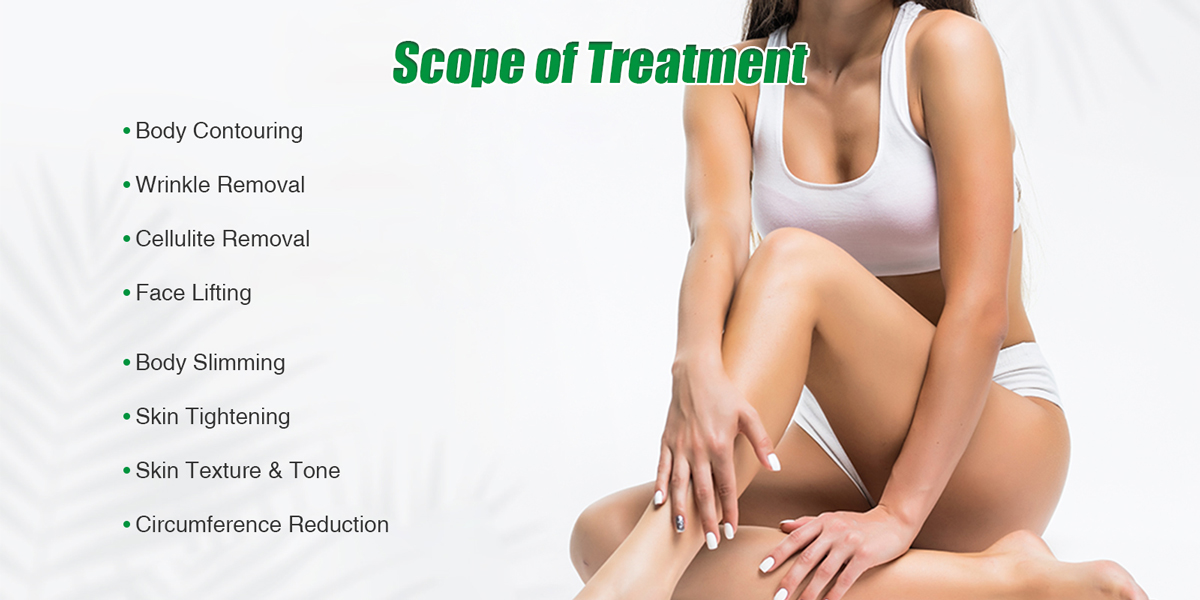
A body roller beauty machine works by combining mechanical stimulation with tissue heating and suction-based manipulation. In simple terms, the rollers or vibrating components help mobilize tissue and massage the treatment zone, the vacuum component helps lift and manipulate the skin and superficial tissue, and the RF or infrared component adds controlled heat intended to support collagen remodeling and visible tightening. This is why the category is often discussed under both cellulite reduction machine and body contouring machine search themes.
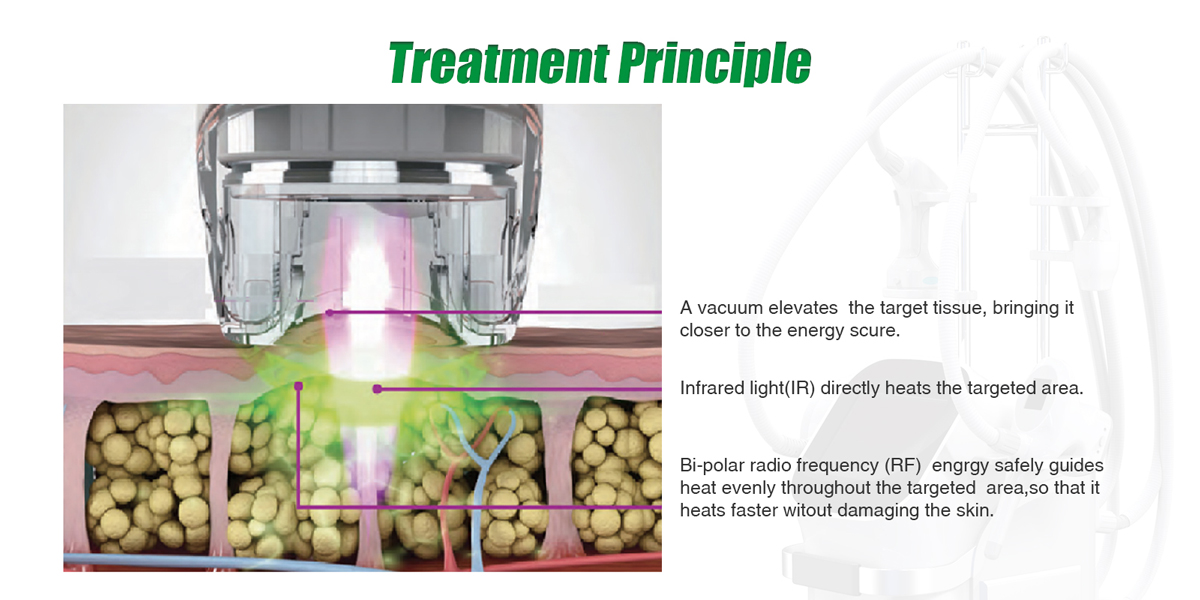
Older and newer studies on systems that combine radiofrequency, infrared energy, mechanical massage, and suction have reported improvement in cellulite appearance with acceptable safety profiles in treated patients. A 2005 study, a 2006 IRB-approved study, and later work all support the idea that combination systems can improve skin surface irregularities associated with cellulite, even though outcomes vary by protocol and patient selection.
That does not mean every beauty shaper machine performs equally. It means the underlying treatment logic has precedent in the literature. For clinics and distributors, that is important because it supports a stronger EEAT narrative: the device category is not based on trend language alone; it aligns with known noninvasive body contouring mechanisms already discussed in peer-reviewed and professional sources.
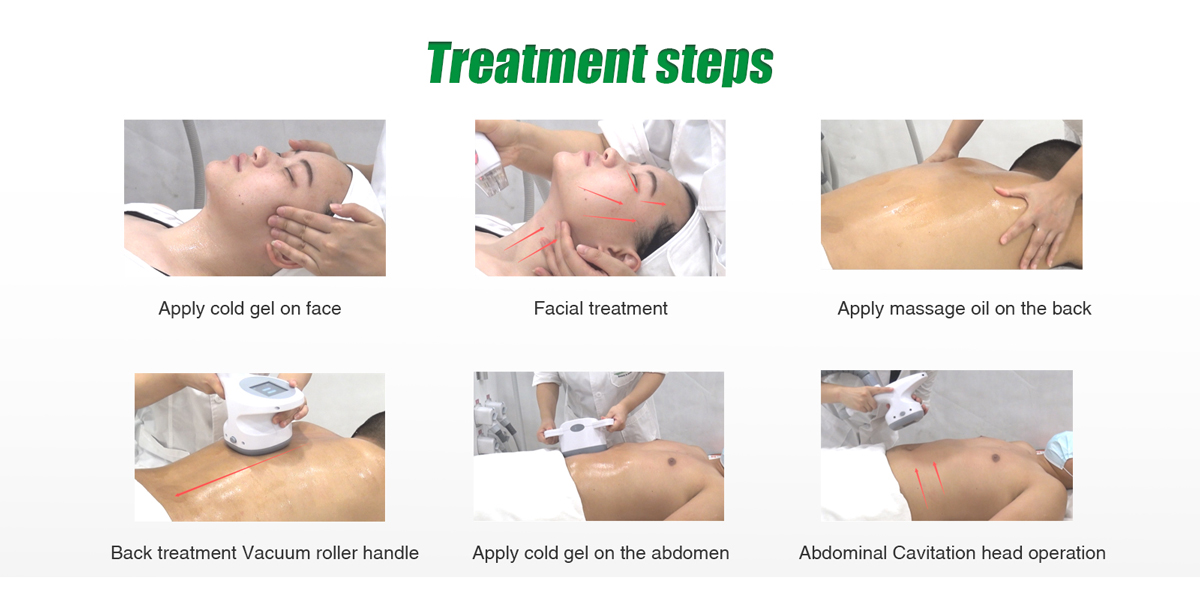
Noninvasive body contouring treatments usually require a course of sessions rather than a single visit. The American Society for Dermatologic Surgery notes that noninvasive treatments commonly involve multiple sessions, with visible changes appearing over time and maintenance often needed. On SANHE Laser page, one manufacturer example recommends 8 to 10 body treatments per course and ongoing maintenance after target results are reached.
The body roller beauty machine is not just a one-off procedure. It is often better positioned as a package-based service, which can strengthen patient compliance and improve clinic revenue predictability. That is a commercial advantage for providers evaluating service mix.
A body roller beauty machine is generally best suited for patients seeking non-surgical improvement in cellulite appearance, skin texture, and mild-to-moderate contour irregularities rather than major fat reduction. The SANHE Laser page specifically frames ideal candidates as normal-to-overweight patients with cellulite around the hips, abdomen, pelvic region, or lower limbs, while emphasizing clinician judgment and healthy lifestyle commitment. Professional dermatology guidance also stresses that patients with unrealistic expectations, or those who view noninvasive contouring as a substitute for diet and exercise, are not good candidates.
The most commercially relevant zones for a body roller beauty machine are usually the abdomen, flanks, thighs, buttocks, arms, and back because these are areas where cellulite and contour dissatisfaction commonly drive treatment demand. Some platforms also market face and neck applications, but body-focused positioning remains the clearest commercial entry point.
Like any energy-based aesthetic service, screening matters. for example, that some patients with pacemakers or defibrillators are not candidates for radiofrequency treatment. Clinics should therefore present a body roller beauty machine as a professional service requiring consultation, contraindication review, and realistic outcome discussion. That protects both patient trust and brand credibility.
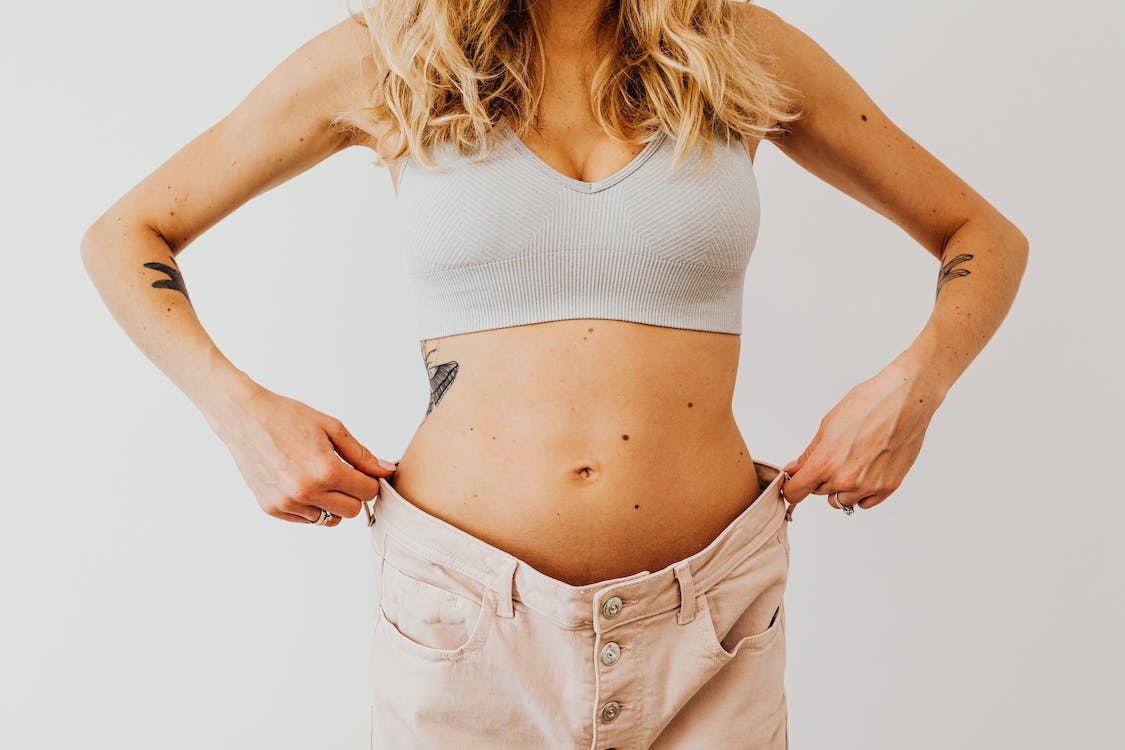
For clinics, body roller beauty devices offer the most effective profit model. This service can be reasonably positioned around the following points:
1. Improves the appearance of cellulite,
2. Makes skin smoother and more refined,
3. Subtly improves body contour, and
4. Many treatments require no or very short recovery time.
Professional sources consistently describe noninvasive cellulite devices as providing improvement, not full elimination. The ASDS states that most noninvasive cellulite treatments offer temporary improvement lasting months, and that full resolution is rare.
The FDA states that RF-based procedures can temporarily improve cellulite appearance or reduce circumference in the treated area. The keyword here is temporarily. For a clinic, that means the best marketing approach is to sell a body roller beauty machine treatment as part of an ongoing body-care plan rather than as a permanent reshaping promise.
A med spa might package a body roller beauty machine into a 6- to 10-session body contouring program with consultation, progress photos, hydration guidance, and a maintenance plan. That kind of offer is easier to explain, easier to price, and more credible than pushing “instant” results. It also supports stronger retention because patients understand from the start that outcomes build progressively
Buying a body roller beauty machine is not only a technology decision. It is an operations decision. Clinics and distributors should assess the device in three layers: treatment logic, compliance and support, and business fit.
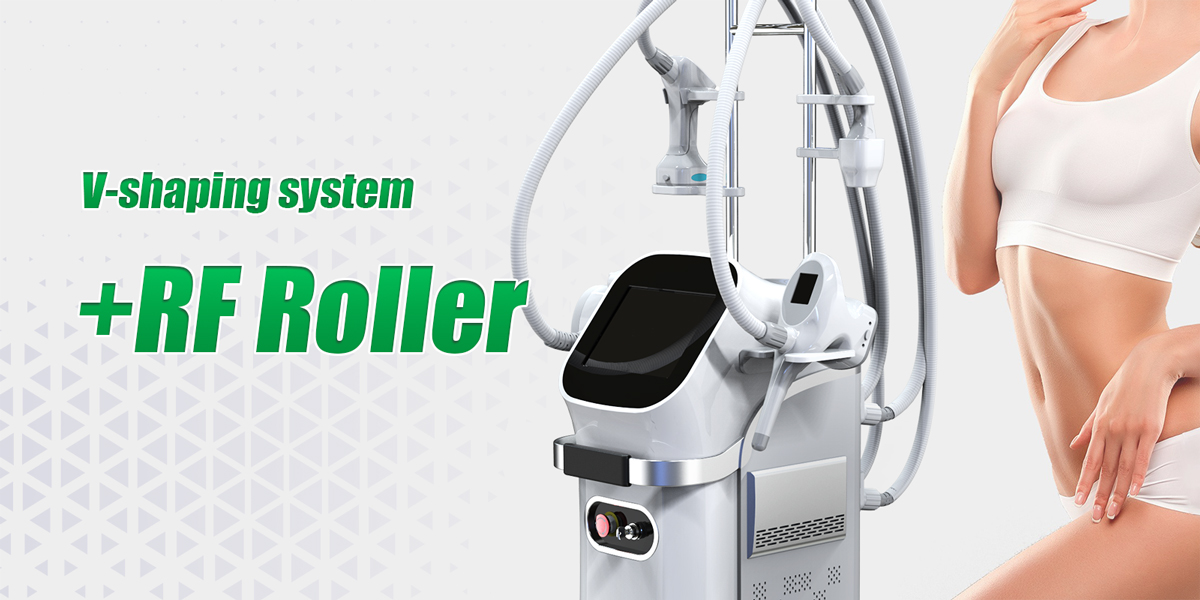
Start with the platform design. Does the body roller beauty machine combine RF, vacuum, infrared, and roller-based manipulation, or is it a simpler micro-vibration system? What treatment heads are included? Can it address multiple body zones? Is there a face protocol? The SANHE Laser page, for example, presents both an RF roller system and an inner ball roller option, which indicates that even within one category, the treatment experience can vary significantly.
A commercially viable body roller beauty machine needs protocols that fit real clinic schedules. Session length, treatment frequency, staff training time, and patient comfort all affect utilization. SANHE Laser’s example protocols mention approximately 30 minutes for body sessions and shorter facial sessions, which gives buyers a useful scheduling benchmark.
For U.S.-focused buyers, documentation matters. If a supplier discusses regulatory status, certifications, treatment training, consumables, service support, and after-sales response clearly, that reduces purchasing risk. More broadly, FDA guidance on body contouring technologies is a reminder that buyers should separate device category claims from supplier-specific claims and verify documentation carefully.
The right body roller beauty machine should fit your business model. A med spa may prioritize comfort, visible texture improvement, and package sales. A distributor may care more about price band, training replicability, and whether the machine fills a gap between cryolipolysis, EMS sculpting, and RF tightening in a dealer portfolio. If the machine can be marketed as a complementary service rather than a competing one, it is usually easier to sell.
Not exactly. A body roller beauty machine is usually positioned more around cellulite appearance, skin texture, tissue stimulation, and contour refinement than pure fat removal. Some RF-based systems may also support circumference improvement, but the category should not be marketed as a substitute for weight management or surgery.
Most noninvasive body contouring programs require multiple sessions. The ASDS notes this broadly, and the SANHE Laser page gives one example protocol of 8 to 10 treatments for body areas, with maintenance thereafter.
Many body contouring and cellulite-focused RF protocols are marketed as having minimal downtime, and the SANHE Laser page also emphasizes minimal downtime for its category. Still, clinics should explain that treatment response varies by device, settings, and patient profile.
Some systems in this category are marketed for both body and selected facial applications. SANHE Laser’s page mentions body zones and also lists face-related uses on certain models. Buyers should confirm exact handpieces, settings, and protocols before promoting multi-area use.
Distributors should focus on realistic outcomes, protocol simplicity, treatment comfort, support, and how the machine complements existing clinic menus. Evidence-aware selling usually outperforms exaggerated claims because it builds trust with professional buyers.
A body roller beauty machine can be a strong addition to an aesthetic practice when it is positioned correctly. The best positioning is not “miracle slimming.” It is a professional, non-surgical option for clinics that want to address cellulite appearance, smoother-looking skin, and mild contour improvement through a structured treatment program. That positioning is consistent with the manufacturer category page, with dermatology society guidance, and with the broader literature on combination RF, infrared, massage, and suction-based treatments.
For SEO, that makes this topic especially valuable: it meets real buyer intent, supports educational search behavior, and gives distributors or manufacturers room to demonstrate expertise without overclaiming. If your goal is to rank and convert, a body roller beauty machine article should always do three things well: explain the technology clearly, define realistic expectations, and help professional buyers choose with confidence.
Sales Director: Mark Ren
The Bei Jing San He Tech Co., Ltd is dedicated to driving continuous growth and innovation in the beauty machine industry. With over 12 years of experience in sales and marketing, I am well-versed in market trends and customer needs. I firmly believe that high-quality products and exceptional service are key to winning the market. I always focus on product quality and customer experience, ensuring that every customer enjoys the most advanced and effective beauty solutions.

 English
 日本語
日本語 français
 Deutsch
 Español
 italiano
 русский
 português
 العربية
 Ελλάδα
 فارسی
فارسی